My Blogs
Long-term thinking. It sounds simple, but it’s anything but.
For me, it began the moment I stepped away from the daily noise, the endless arguments, the instant opinions, the debates that generate more heat than light.
We live in a time where listening feels almost old-fashioned. Everyone is broadcasting, few are paying attention. And the result is predictable: more outrage, less understanding, and a shrinking sense of what truly matters.
When you stop participating in every passing argument, something remarkable happens:
you free up mental space to think beyond tomorrow.
Long-term thinking isn’t a theory to me. It’s a practice.
It means asking: What kind of world will still exist a hundred years from now?
And what choices am I making today that might matter then?
It shifts your priorities.
You stop asking How do we win the next argument?
and start asking How do we build something that lasts?
It moves you from speed to endurance,
from certainty to curiosity,
from shouting to listening.
I’ve spent the last years searching people who try to solve real problems, scientists, farmers, activists, students, artists. Whenever I listen carefully, I notice the same thing: progress does exist, but it’s slow, quiet, and rarely trending on social media.
That, oddly enough, gives me hope.
I like to share the way of thinking shaped my two current projects — a novel set in 2125, and a nonfiction book about what a livable future could look like if we choose connection over division.
Another four days and my book 2125 – The Hibernator will be released on Amazon. The temporary introduction price is just 99 cents, so this is the moment to jump in.
Why Have We Stopped Listening to Each Other?
The world rewards those who make the most noise: algorithms feed outrage, politicians score with conflict, and the media thrives on certainty.
My first week of book promotion is done. People keep asking why I’m not posting on X. Since Twitter changed hands and now bears a name that feels like the signature of an illiterate person, it has become a pit where people who never listen splatter their anger over each other in an endless, pointless loop. Shouting has become easier than listening.
Yet every major change in history began when people decided to listen instead of fight.
In the Netherlands, last month we had elections. The same parties now trying to form a coalition were, not long ago, bitter opponents. Across the ocean, the divide seems even deeper, not only political but moral and emotional.
History shows what happens when societies stop listening. In the Roman Empire, reformers and conservatives clashed until civil wars tore the state apart. The American Civil War divided a nation over slavery and freedom.
The pattern repeats: Spain, Weimar Germany, Yugoslavia, Rwanda. Neighbors become enemies, and what remains is shame over what was said, done, or left unsaid. In Germany and Italy, despair opened the door to dictatorship.
Every sensible person knows that polarization is destructive, yet it seems deeply rooted in us. Psychologist Jonathan Haidt found that we judge first and reason later, like a rider on an elephant. The rider (reason) believes he’s in control, but it’s the elephant (intuition) that chooses where to go. We don’t use arguments to seek truth but to defend our tribe.
Political scientist Karen Stenner adds that some people have a deep need for order and clarity. When the world changes too fast or too many voices speak at once, they look for leaders who promise calm and unity. Polarization grows when this longing for stability collides with the chaos of globalization, migration, and the digital storm.
We see it everywhere. Social media reward outrage, not understanding. Algorithms strengthen our certainties and filter out doubt. People seek affirmation in their bubbles and become addicted to moral superiority.
In my books I write about the future. I listen to people who are trying to solve the world’s biggest problems, and when I hear them, I’m struck by how slowly we are moving in the right direction.
I’m curious what you think about that?
#Listening #Polarization #2125World #FutureThinking #LongTermThinking
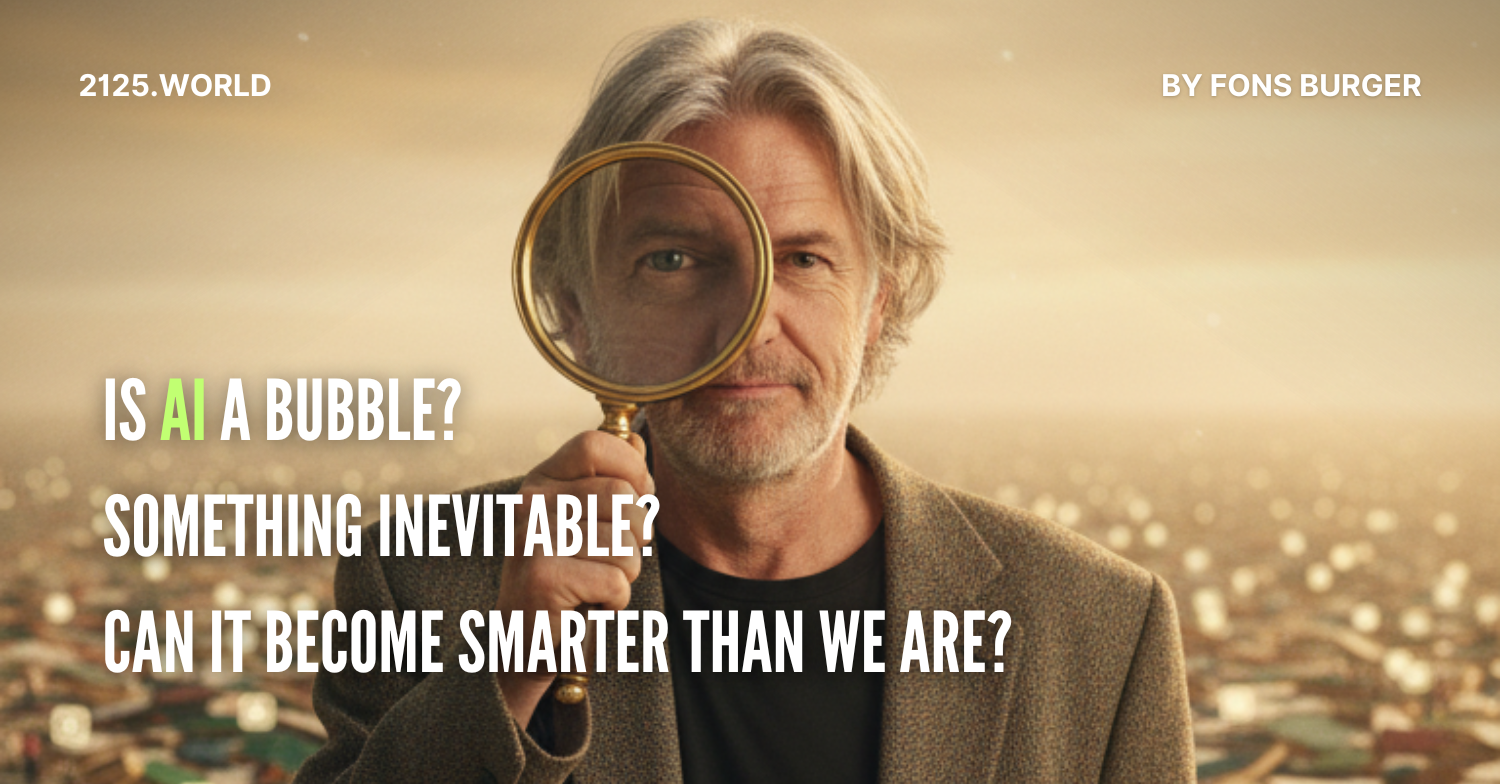
Is AI a bubble? Something inevitable? Can it become smarter and more creative than we are?
We’re asking enormous questions about something that’s already far more advanced than most people realise.
AI is inevitable, just like the printing press, the steam engine, Henry Ford’s first assembly line, the first labour unions, the internet and the self-driving car. Innovations we initially resisted and later couldn’t imagine living without.
We already see music entering the charts without a single musician involved. Language models write texts, create images and influence decisions. Useful and at times almost magical, but the question remains:
who is steering whom?
I use AI myself too.
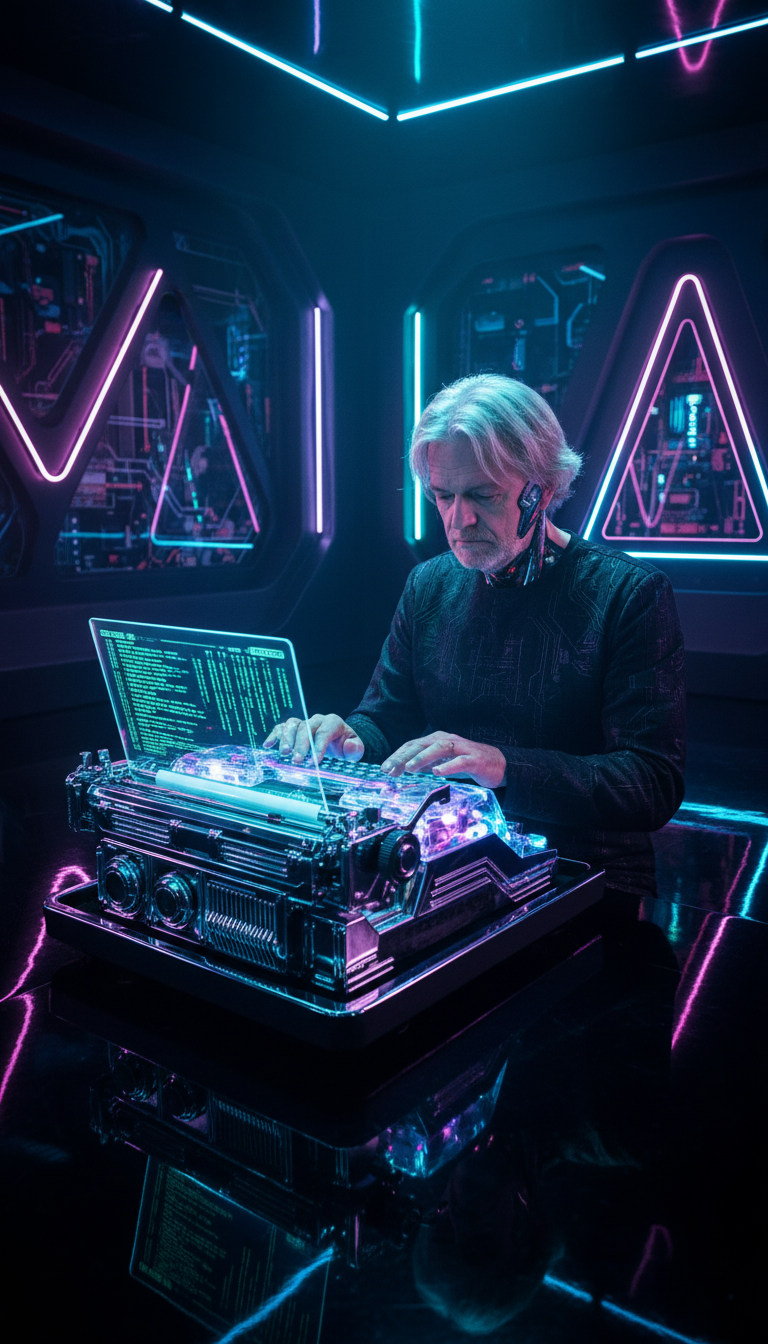
For my promo images, short clips, research, and to keep my English sharp. I can set myself in a photo shoot without getting out of my chair. And yes, that sometimes makes photographers and illustrators redundant. But in the end, I’m still the one deciding what I want to say.
In my book 2125 – The Hibernator, Max discovers that AI also has limits. His assistant Ilse knows everything — to an irritating degree.
Except when it comes to his emotions.
“I’m sorry, Max,” Ilse says. “I’m not allowed to help you with psychological issues.”
Max grumbles: “One century gone and even the computers have rules now.”
And that’s the big question: who gets to set those rules?
AI should never end up in the hands of a small group of companies or individuals who primarily serve their own interests. We need institutions with a moral compass, transparency and public responsibility. Then we can finally enjoy the progress it brings us.
2125 is closer than it seems.
Releasing a book on the international market feels strange. Exciting, too. I’ve never done it before, and it’s like stepping into a parallel universe — a huge, intricate machine floating somewhere in the digital realm. Your success is partly determined by readers, and partly by the amount of money you’re willing to invest. I could write an entire book about that adventure, but right now I already have two to worry about: one I still need to finish, and one I need to promote in this odd new world.
In the Netherlands it was all very different. I walked from bookstore to bookstore with my books under my arm. You try to get noticed by the literary incrowd, the people who gather in Amsterdam cafés. Reviewers and writers offering each other drinks in circles I never wanted to sit in. Publishers buried under manuscripts, barely able to take a proper look at what you’re doing. I’m not complaining — eleven books, a lot of fun, a lot learned. But the global market is something else entirely.
Amazon is the undisputed leader there. They simply hand you a 70 percent royalty, while in traditional publishing you’re stuck with twelve. And then there’s the endless row of platforms where hundreds of millions of readers decide what the rest of the world should read. And there you are, trying to get a little book from the Netherlands noticed.
An adventure, a discovery, sometimes a maze. Over the coming days, I’d like to take you with me. But if you want to support me buy the book on Amazon
.
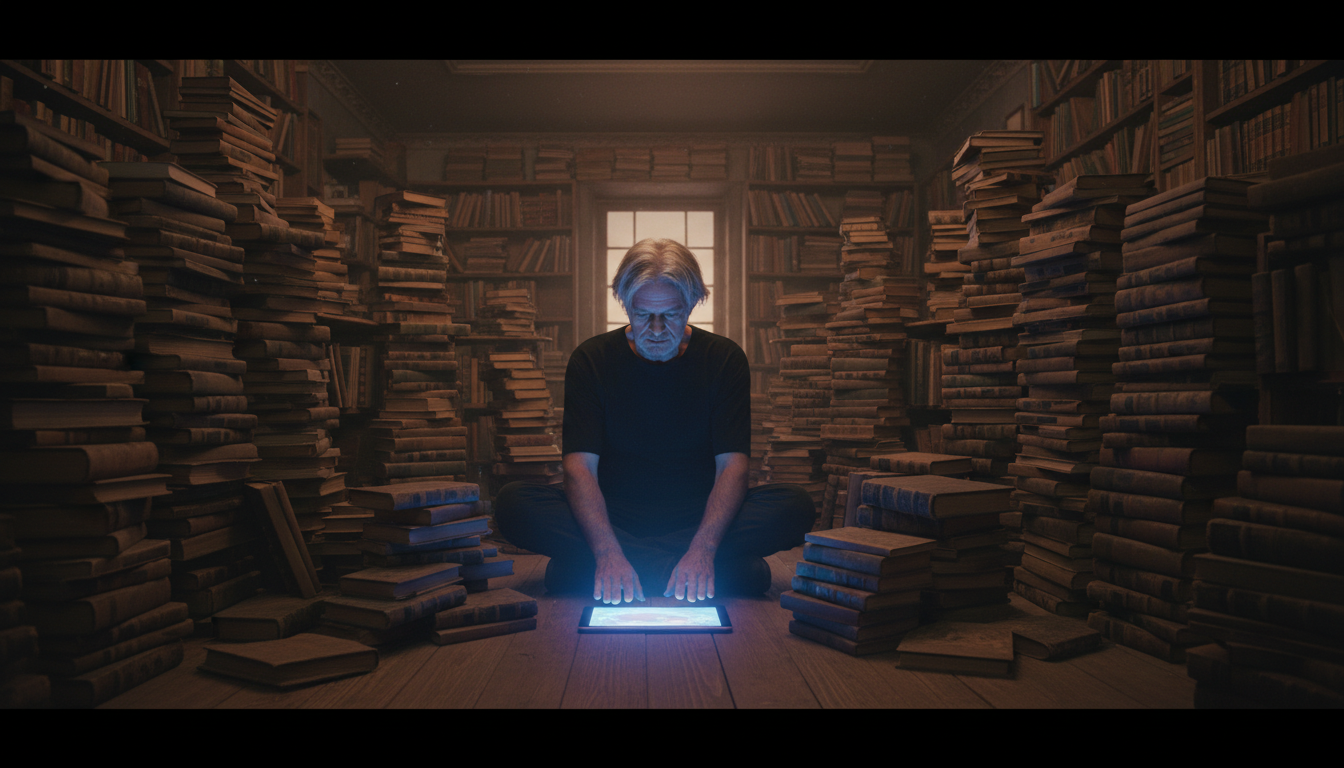
Imagine lying down in an experimental clinic in Mexico, sliding into a capsule, and being placed in an artificial coma. They halt your aging by cooling your body into a controlled metabolic standstill while nanoscopic repair cells continuously restore your tissues. A hundred years later you wake up exactly the age you were when you went under. In a totally new world.
That’s where my book begins.
In 2125 – The Hibernator, the protagonist opens his eyes in a new world — one in which everything has finally gone right.
Why did I write this story?
Because I wanted to imagine how the world could look.
A world without greed.
Without the constant pressure to grow.
A world built on respect for nature and for each other.
Sounds idealistic? It is!
Because there are real obstacles — most of them rooted in a system that has been evolving in one direction for 250 years and is incredibly hard to change.
And the moment you start thinking in centuries, the real challenge becomes clear. Solar panels and wind turbines are no longer enough. Nor is capturing CO₂ to keep the ocean currents moving. What we need are structural, systemic transformations.
So let’s reclaim long-term thinking — not the version of Elon Musk or Peter Thiel, tech billionaires who imagine 8,000-year futures while ignoring present injustice.
Let’s look at how we can build a livable world for the next hundred years — one that still works in the centuries after. Lets act as if our great-grandchildren are already sitting at the table.
Make a difference.
Shape the future.

For years I wrestled with my book 2125 – De Winterslaper. In the Netherlands we sold 1,200 copies, which is almost a bestseller here. People don’t really read books anymore. They want images, audio, short takes — ideally short enough that I should probably stop this post right here.
And yet I kept writing. And started translating.
Because in Dutch, the chances are limited. Too few people are thinking about the challenges I write about: What will the world look like a hundred years from now?
I don’t believe in the kind of “longtermism” billionaires use to justify bunkers, Mars colonies or AI gods, leaving behind the have nots to die in fane. I believe in something much simpler, and much harder: the responsibility to make the next century livable for all people. I think we need to reclaim long-term thinking before we lose the future altogether.
That’s why I’m taking this story to the English-speaking world.
Not to become rich or famous — but because I believe the ideas I’ve imagined, researched, and written down matter.
First with a novel.
Later with a journalistic book.
And I want to take my LinkedIn connections along on that journey.
If you see something in this project — follow, share, or simply stay tuned. The world of 2125 is coming soon.